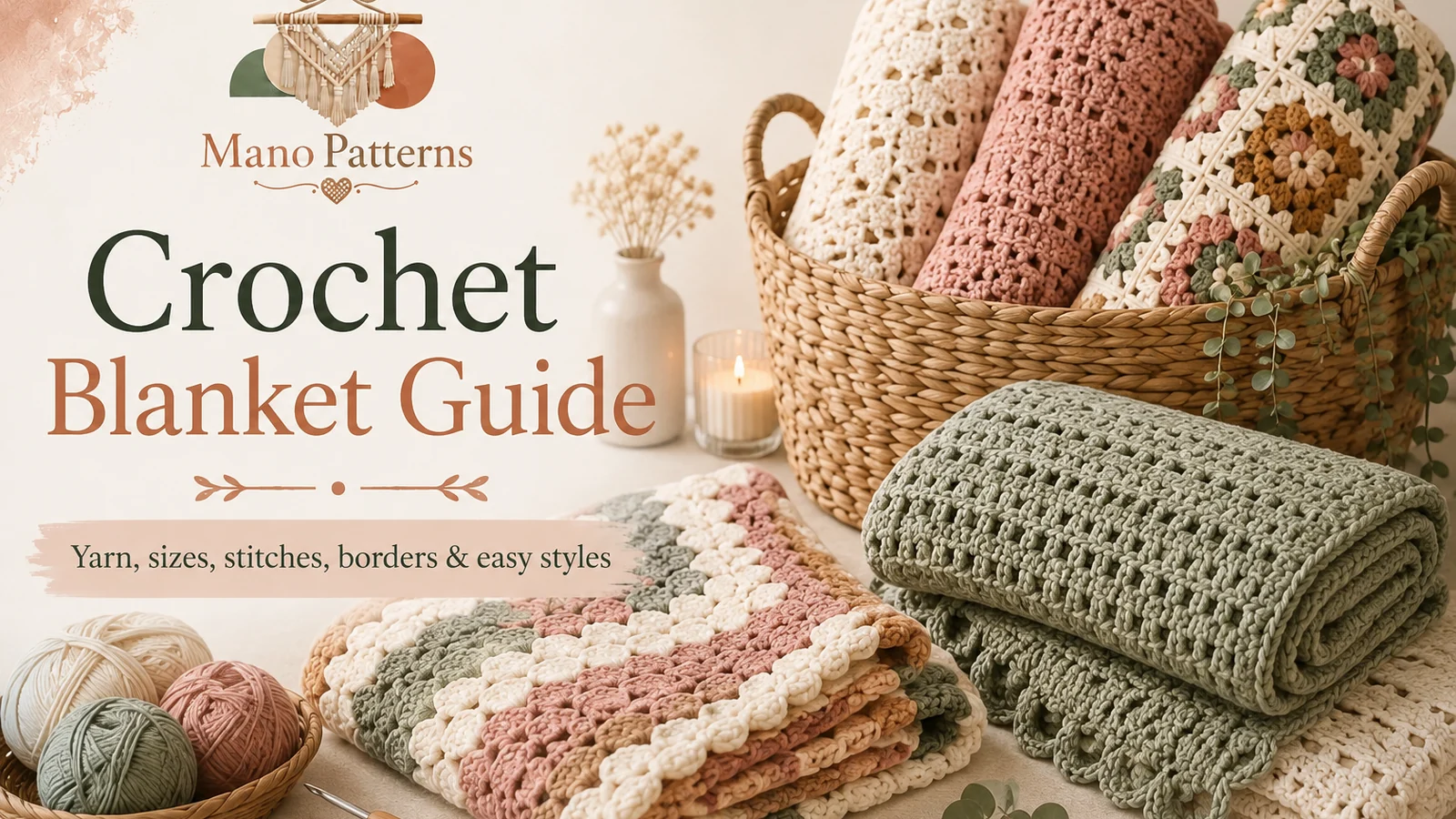
A crochet blanket can be one of the simplest large projects to make, but yarn weight,
stitch texture, finished size and border choice can completely change how the final blanket looks and feels.
This guide covers the practical decisions behind throws, afghans, baby blankets and larger crochet blankets:
how to choose yarn, pick a hook, understand gauge, plan size, select stitches, add borders and avoid common
problems. If you are still learning the basic stitches or how yarn and hook size work together, start with our
Crochet for Beginners guide.
- Decide who or what the blanket is for before choosing the finished size.
- Match yarn weight to the warmth, drape and speed you want.
- Choose a stitch pattern you can comfortably repeat across many rows.
- Check gauge when dimensions matter, especially for patterned or multi-panel blankets.
- Leave enough yarn for the border and final finishing.
Crochet Blanket, Throw or Afghan: What Are You Making?
These words often overlap, but the intended use helps determine size, yarn and construction.
Lap Blanket
Smaller and easier to manage while crocheting. A good choice when you want a practical project without committing to bed-size dimensions.
Throw
Designed for a sofa, chair or extra layer of warmth. Throws are ideal for experimenting with texture, stripes and decorative borders.
Afghan
Often used as a general name for decorative crocheted blankets, especially larger or patterned styles.
Baby Blanket
Smaller and lighter, usually made with soft yarn and a stitch pattern that feels comfortable against the skin.
Bed Blanket
Requires more planning because small differences in gauge, yarn usage and row count become much more noticeable across a large surface.
Wrap-Style Blanket
Some patterns sit between a throw and an oversized wrap, combining warmth with a more wearable shape.
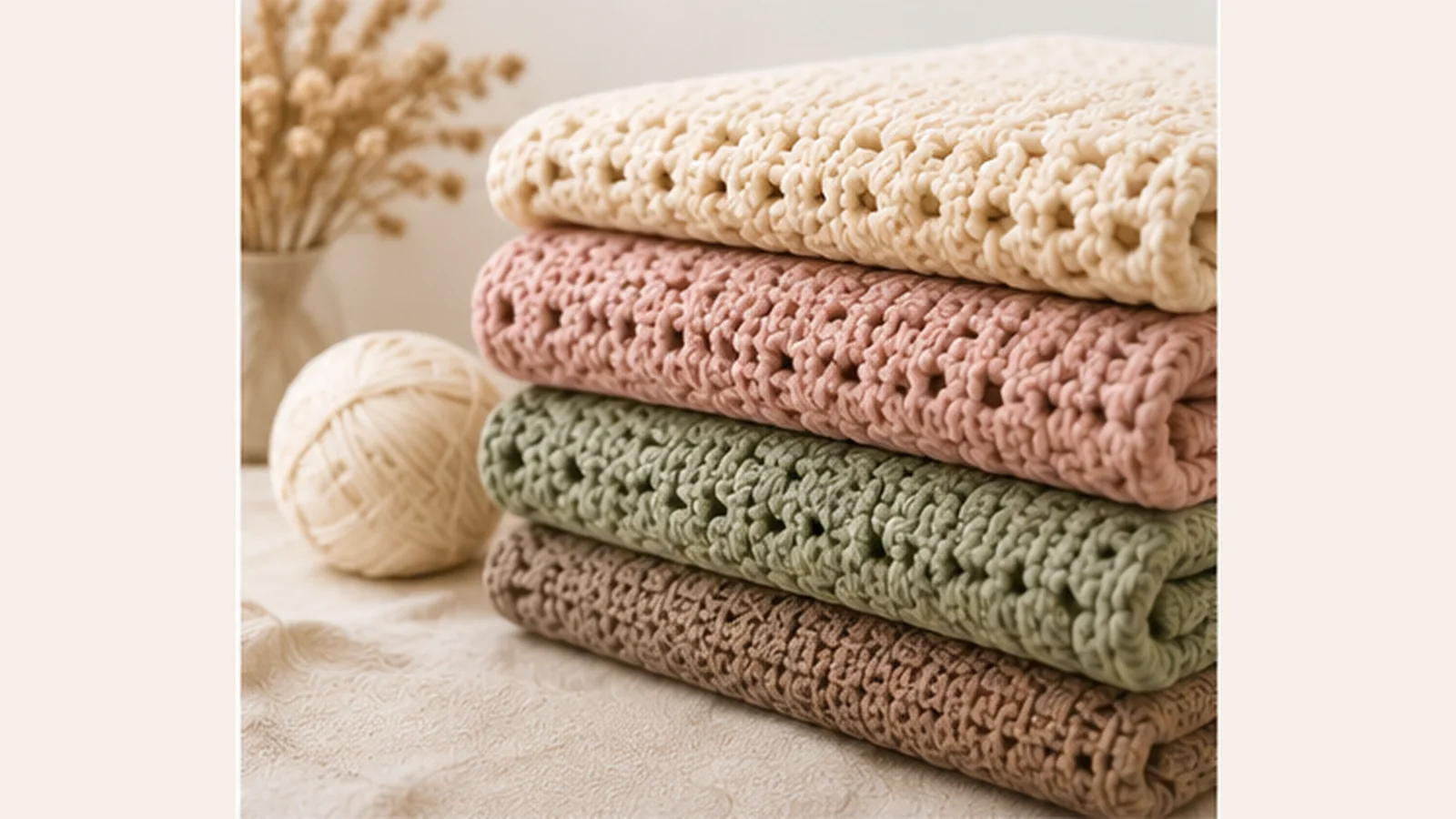
Start with the intended use, then choose the yarn, size and stitch pattern around it.
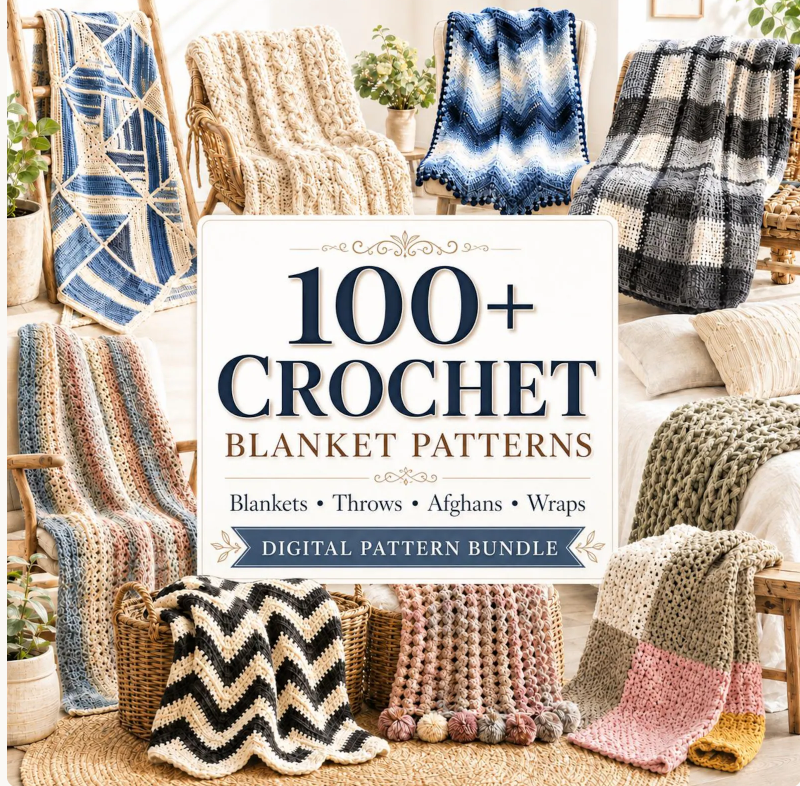
Find a Blanket Style You Want to Make
Explore 100+ crochet blanket patterns with throws, afghans, textured blankets, baby styles and more.
How to Choose Yarn for a Crochet Blanket
Yarn weight affects warmth, drape, stitch definition, total project weight and how quickly the blanket grows.
Medium / Worsted Weight
A versatile choice with good stitch definition and a wide range of colors. It works well for everyday blankets and many beginner-friendly patterns.
Bulky & Super Bulky
Larger yarn and hooks build fabric quickly and create a substantial, cozy feel. The source collection includes fast throws made with large hooks and bulky yarn.
Lighter Yarn
Creates a thinner, more flexible fabric, but takes more stitches and rows to cover the same area.
Fiber Content
Check the yarn label for fiber, washability and care instructions. A blanket is a large project, so care requirements matter before you invest in the full quantity of yarn.
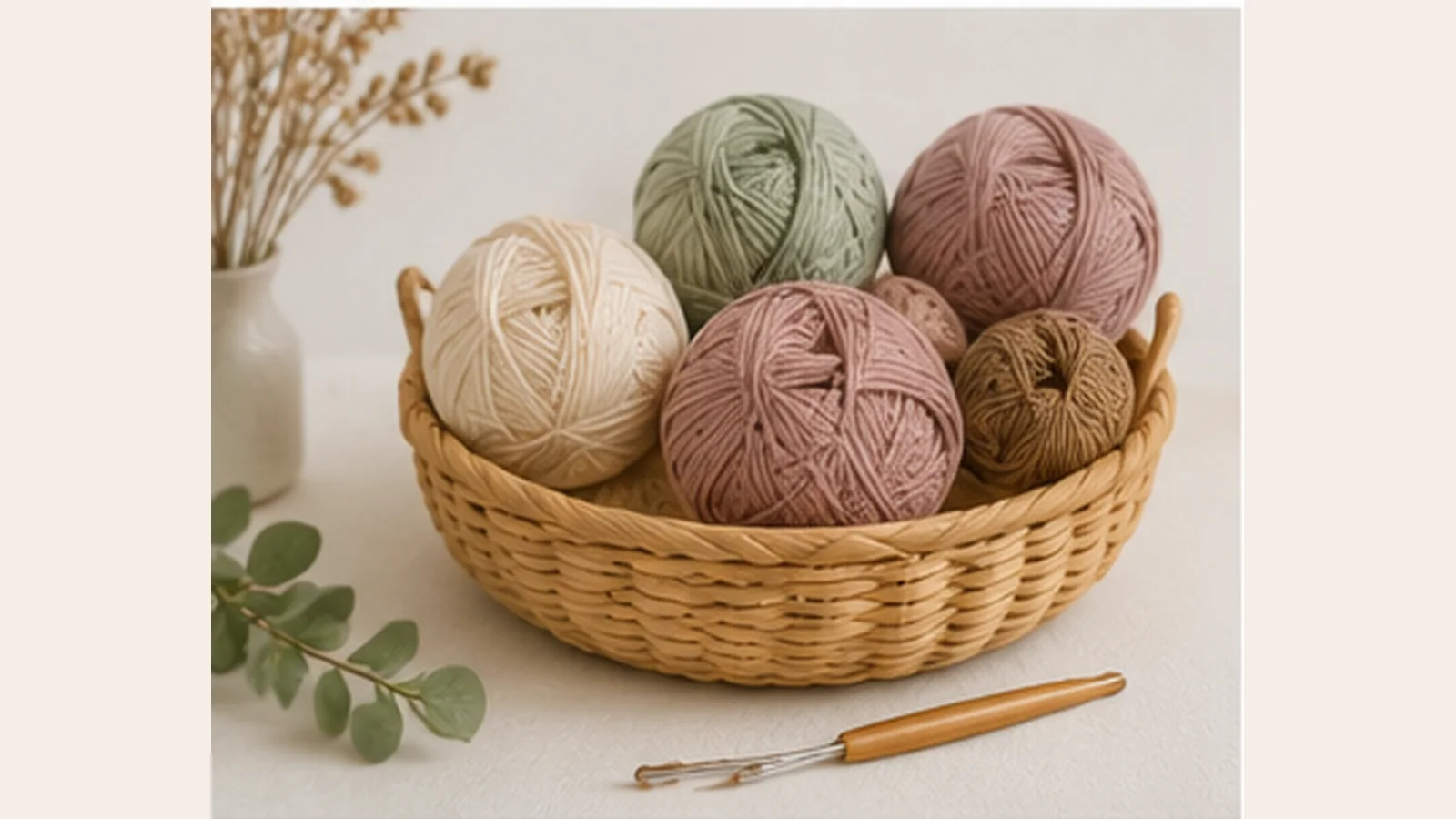
Yarn weight changes the blanket’s warmth, drape, texture and how quickly it grows.
If you want a quick refresher on reading yarn labels and matching hook size to yarn, see Crochet for Beginners.
How to Plan Crochet Blanket Size
There is no single universal blanket size. The right dimensions depend on how the blanket will be used and whether you want it to cover a person, chair, sofa or bed.
Start with a Target Width
Width determines the length of the foundation chain or starting row in many one-piece blankets.
Measure as You Go
Large projects can shift slightly as tension settles. Measure occasionally instead of waiting until the end.
Remember the Border
Borders add extra width and length. If the finished dimensions matter, include the border in your plan.
Check Pattern Gauge
Gauge matters more when a pattern gives specific dimensions or uses a repeat that must fit a precise width.
If the blanket is for a particular sofa or bed, measure that space rather than relying only on generic size charts.
Does Gauge Matter for Crochet Blankets?
Gauge may feel less critical for a simple throw than for a fitted garment, but it still affects the final size, drape and yarn usage.
The blanket patterns in the source books list gauge alongside yarn, hook size and finished measurements. Some measure ordinary stitches, while textured designs may measure shells or pattern repeats instead.
If your gauge is too tight
The blanket may become smaller, denser and stiffer, and you may need more rows or repeats to reach the target size.
If your gauge is too loose
The blanket may become larger, more open and more flexible than the pattern intends.
Crochet Stitches That Work Well for Blankets
A good blanket stitch is one you enjoy repeating. Texture is important, but so are rhythm, yarn usage and how the fabric feels across a large area.
Single Crochet
Dense and sturdy. It creates a warm fabric but can take longer because each row is relatively short.
Half Double Crochet
A useful middle ground: more height than single crochet with a fairly solid fabric.
Double Crochet
Builds height quickly and appears throughout blanket and throw patterns in many different textures. For a closer look at the stitch itself, see our Double Crochet Stitch Guide.
Shell Stitches
Repeated stitch groups create decorative rhythm and are commonly used in classic blanket designs.
Post Stitches
Front- and back-post stitches can create deep ridges, basket-weave effects and other raised textures.
Ripple & Wave Patterns
Increases, decreases and stitch-height changes create the familiar wave effect used in many striped blankets.
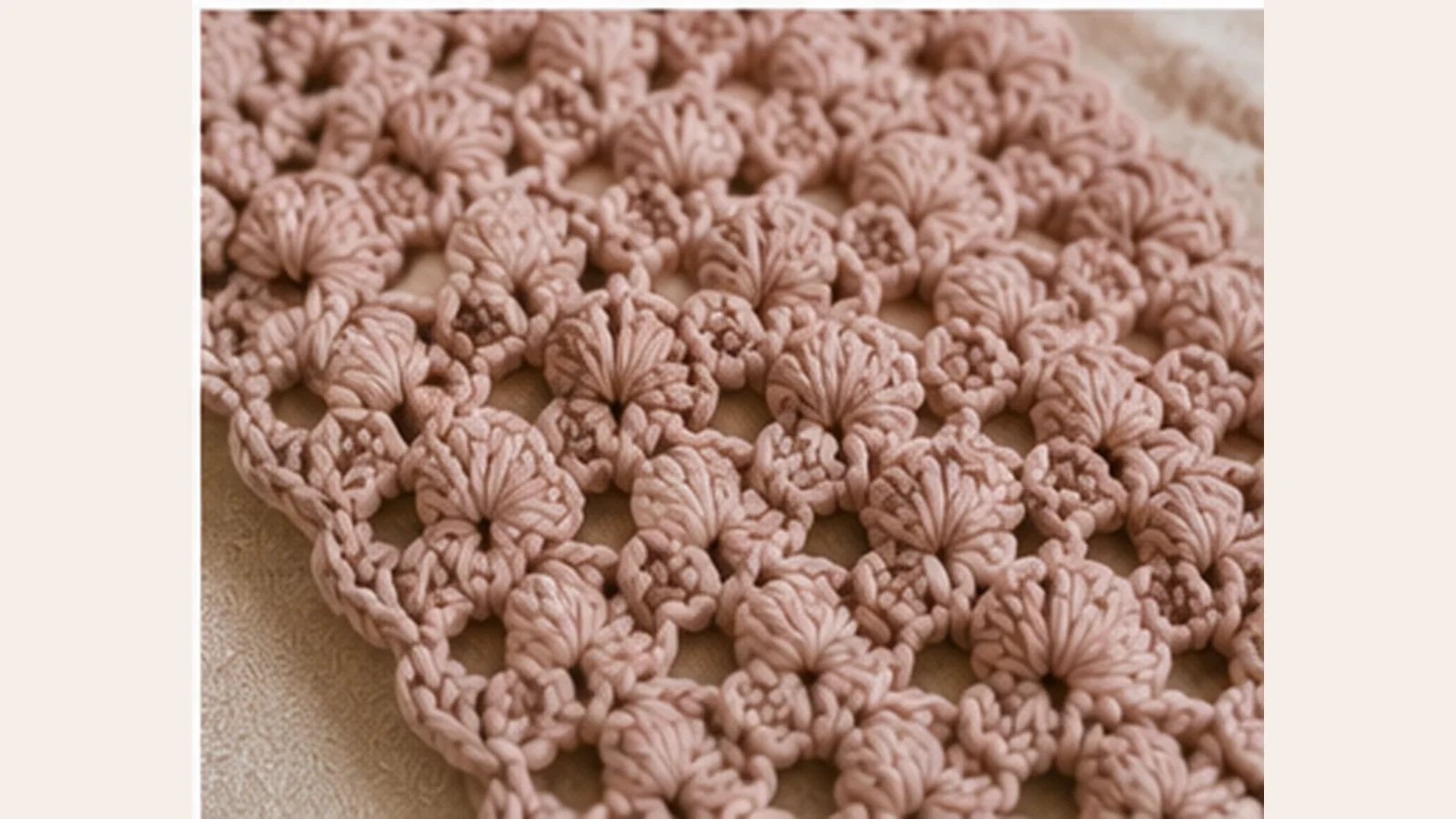
Choose a stitch texture you can comfortably repeat across many rows.
Ready to Start Your Next Blanket?
Choose from 100+ blanket designs and find a project that matches your style and skill level.
Common Ways Crochet Blankets Are Constructed
Some blankets are one continuous piece, while others are assembled from blocks, panels or repeated motifs.
One-Piece Rows
One of the simplest methods: begin at one edge and work back and forth until the desired length is reached.
Stripes
Color changes can create strong visual interest without changing the basic stitch pattern.
Granny Squares
Individual motifs can be joined into a larger blanket. This method makes the project modular and easy to work in smaller sections.
Panels or Blocks
Repeated sections can be made separately and assembled later, which is useful for patchwork-style designs.
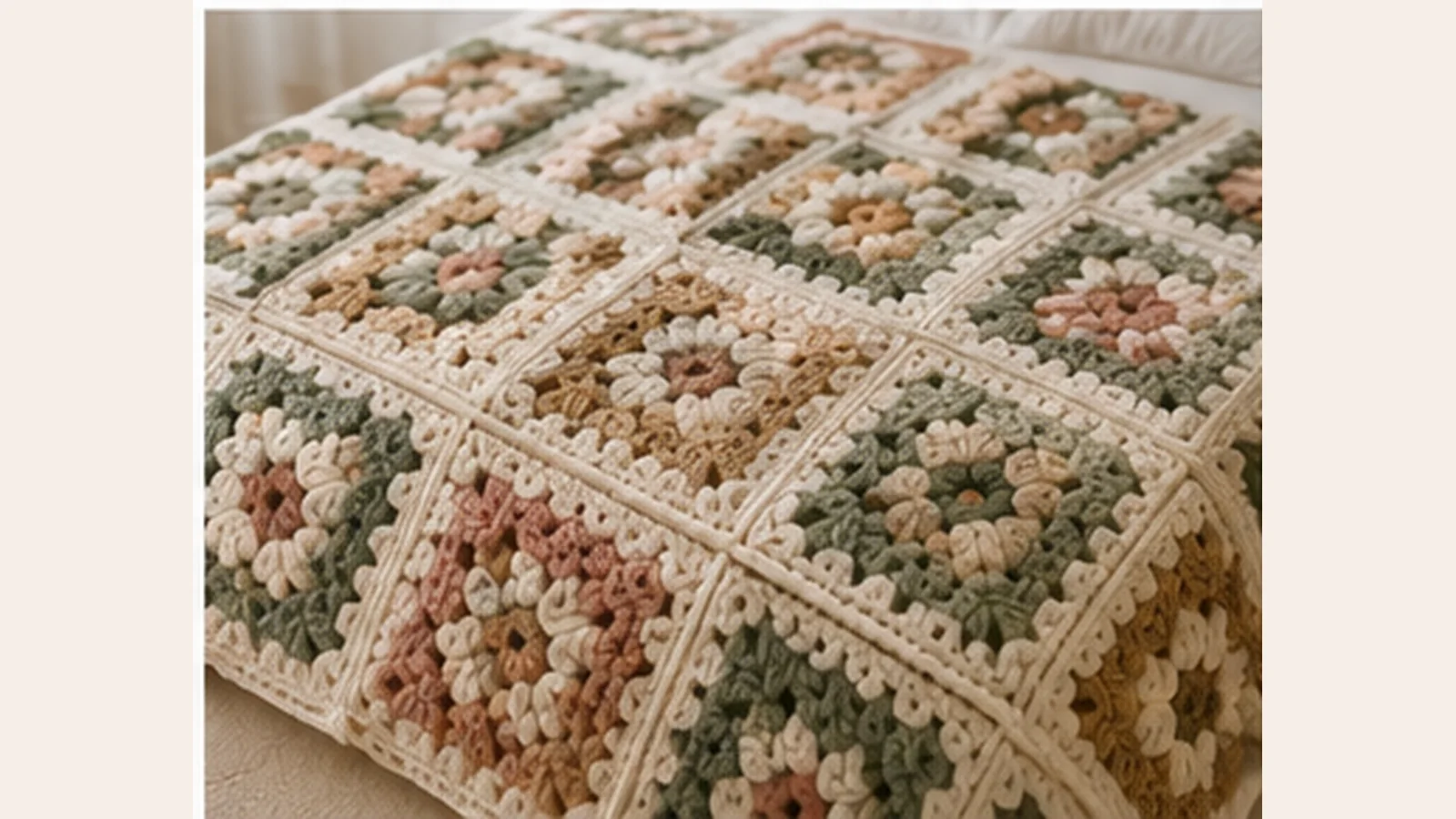
Construction method changes how portable the project feels while you are working on it.
How to Plan Colors for a Crochet Blanket
Blankets give you a large canvas, so even a simple stitch pattern can look completely different depending on the color plan.
One Color
Lets texture become the main feature and reduces the number of yarn ends to weave in.
Two or Three Colors
Easy to coordinate and flexible enough for stripes, borders and repeating color sequences.
Scrap-Yarn Blanket
A repeated neutral or border color can help many leftover shades feel intentional rather than random.
Variegated Yarn
The yarn changes color for you, which can add movement to a very simple stitch pattern.
Crochet Blanket Borders: Why They Matter
A border can make the edges look cleaner, reinforce the shape and add another layer of color or texture.
Simple Single Crochet Border
Clean and practical. A basic border can be enough to straighten the outer edge visually.
Multiple Border Rounds
Additional rounds add width and can introduce another stitch or color after the main blanket is complete.
Textured Border
Reverse single crochet, shells or other decorative stitches can give the final edge more character.
Corner Increases
Borders worked around all four sides need enough stitches at the corners to turn without pulling or ruffling.
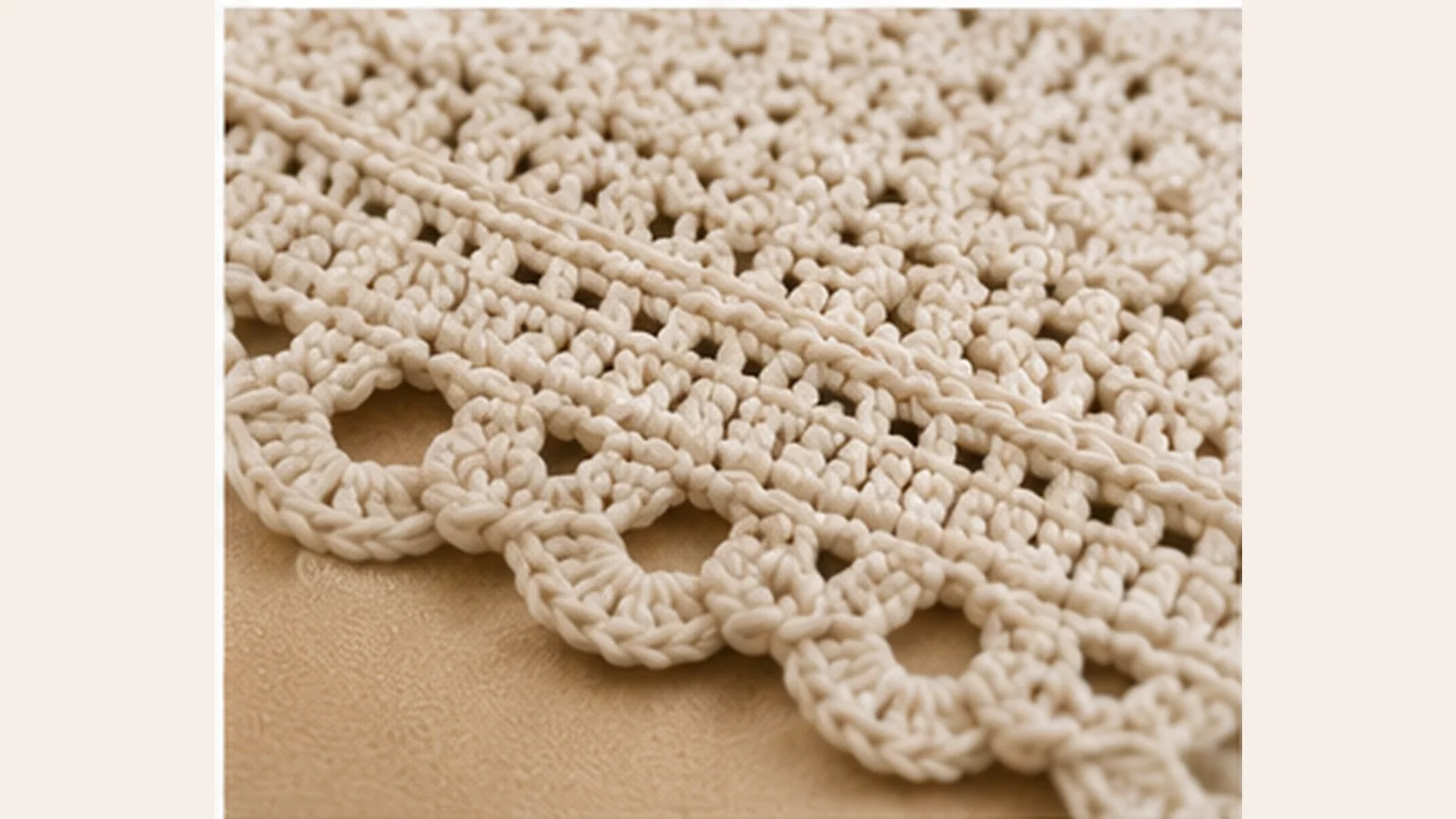
A well-planned border helps frame the blanket and finish the outer edges neatly.
Explore the Full 100+ Blanket Collection
From cozy throws to baby blankets and textured afghans, the full collection gives you plenty to choose from.
What Is the Easiest Crochet Blanket for a Beginner?
Start with a smaller throw or lap blanket using one repeatable stitch pattern and a yarn that is easy to see.
Before starting a large blanket, practice the stitch in a small swatch. Our Crochet for Beginners guide explains tension, counting rows and gauge in more detail.
Common Crochet Blanket Problems
The blanket gets narrower
You may be missing an edge stitch. Count the row and mark the first and last stitch if needed.
The blanket gets wider
Extra stitches at the edges or accidentally working into the turning chain can gradually increase the width.
The edges curl
Tension, stitch structure or an overly tight foundation row can distort the edge. A suitable border may help after the main problem is corrected.
The finished size is wrong
Compare gauge, yarn weight, hook size and repeat count. Small differences become significant across a large blanket.
Finishing a Crochet Blanket
Weave in yarn ends securely with a tapestry needle and follow the yarn label when washing or blocking the finished blanket. Different fibers react differently to heat, water and agitation, so the yarn care instructions should guide the finishing method.
Common Crochet Blanket Questions
What crochet stitch is best for a blanket?
There is no single best stitch. Beginners often prefer single, half double or double crochet, while textured blankets may use shells, post stitches, waves or repeated pattern combinations.
What yarn weight is best for crochet blankets?
Medium and bulky yarns are popular because they balance stitch visibility, warmth and speed. The best choice depends on the blanket style and how heavy you want the finished fabric to feel.
How much yarn do I need for a crochet blanket?
Yarn requirements vary widely with blanket size, yarn weight, stitch density and border. Use the pattern yardage when following a design, and allow extra when changing size or adding a larger border.
Do I need to make a gauge swatch for a blanket?
It is useful whenever finished dimensions matter. Gauge also helps estimate fabric density and whether the chosen hook creates the drape you want.
Is a crochet blanket a good beginner project?
Yes, especially a smaller rectangular throw using one repeated stitch. The main challenge is maintaining even tension and a consistent stitch count across many rows.
Want More Than Blankets?
Explore the full crochet collection with blankets, bags, granny squares, tops, baby projects and more.