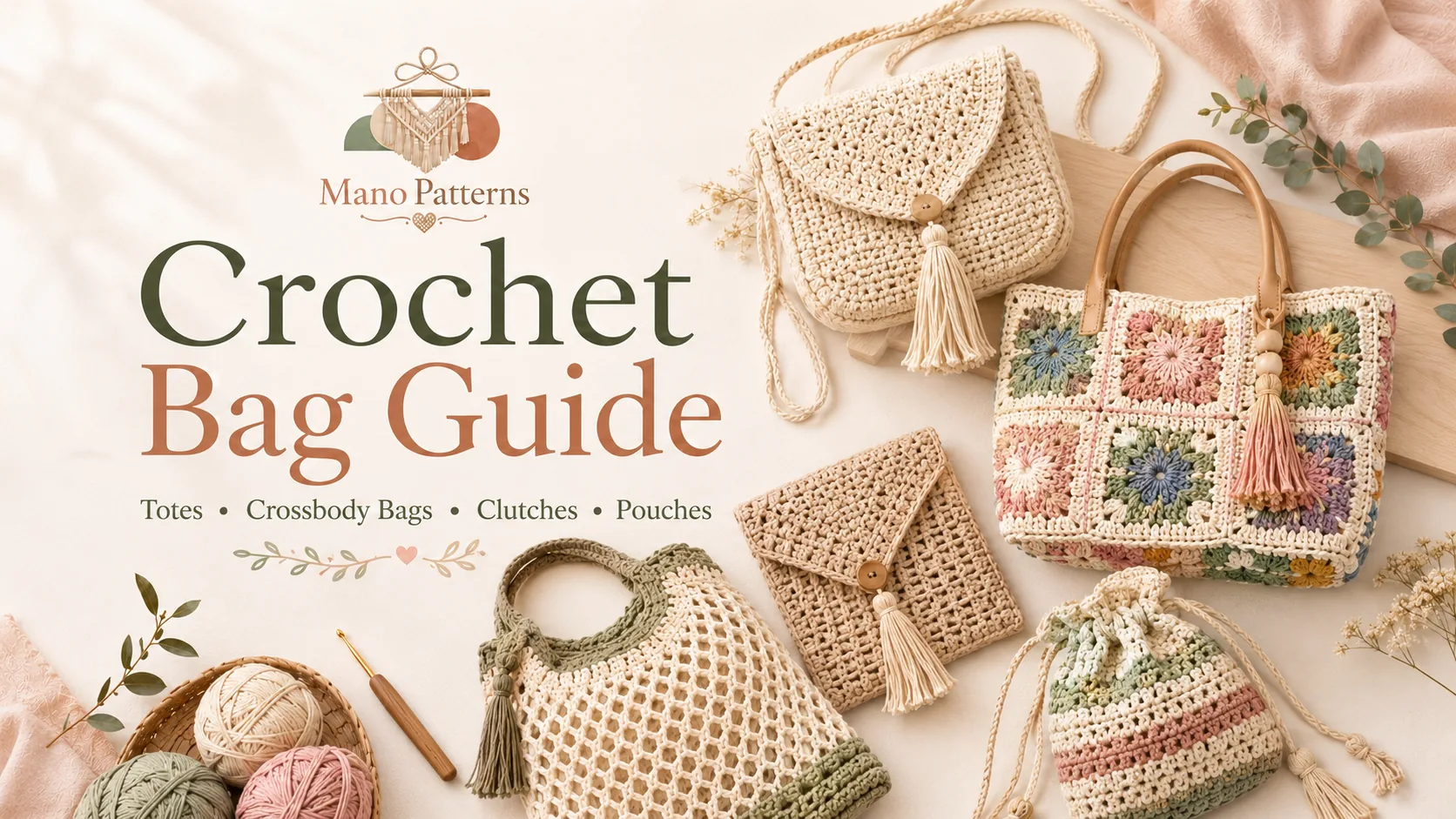
Crochet Bag Guide: Styles, Yarn, Stitches, Handles & Lining
A crochet bag can be soft and relaxed, firm and structured, tiny enough for essentials or large
enough for shopping and beach days. The best result comes from matching the bag style with the right yarn,
stitch texture, construction method and finishing details.
This guide explains the practical choices behind crochet totes, purses, crossbody bags, market bags,
drawstring pouches and granny-square styles. If you are still learning the basic stitches or getting used
to hook and yarn tension, start with our
Crochet for Beginners guide first, then come back here when you are ready to
turn those skills into a wearable project.
- Choose a yarn that suits how much structure and stretch you want.
- Use a stitch pattern dense enough for the bag’s purpose.
- Plan the base, sides and opening before deciding on handles or straps.
- Add lining or internal support when you want a more polished, stable finish.
- Reinforce handles and attachment points because they carry most of the load.
Popular Crochet Bag Styles to Explore
The bag books in this collection cover everything from crossbody purses and clutches to totes, market
bags and small drawstring pouches. The construction choices change depending on what the bag needs to do.
Crochet Tote Bag
A tote usually needs a roomy body, a stable opening and handles that can carry weight without stretching
too much.
Crossbody Bag
Crossbody styles benefit from a firmer fabric, a secure closure and a strap that keeps its length during use.
Market or Beach Bag
These can be more open and flexible. Mesh or lacy stitch patterns make the bag lighter, while stronger
yarn helps control excessive stretching.
Clutch or Small Purse
Smaller bags are a good place to experiment with texture, color, decorative closures, tassels and
interesting handles.
Drawstring Pouch
A drawstring creates both the closure and part of the design. The top edge needs enough structure to
open and close smoothly.
Granny Square Bag
Motifs can be joined into totes, purses and shoulder bags. The final shape depends on how many squares
are used and how they are arranged.
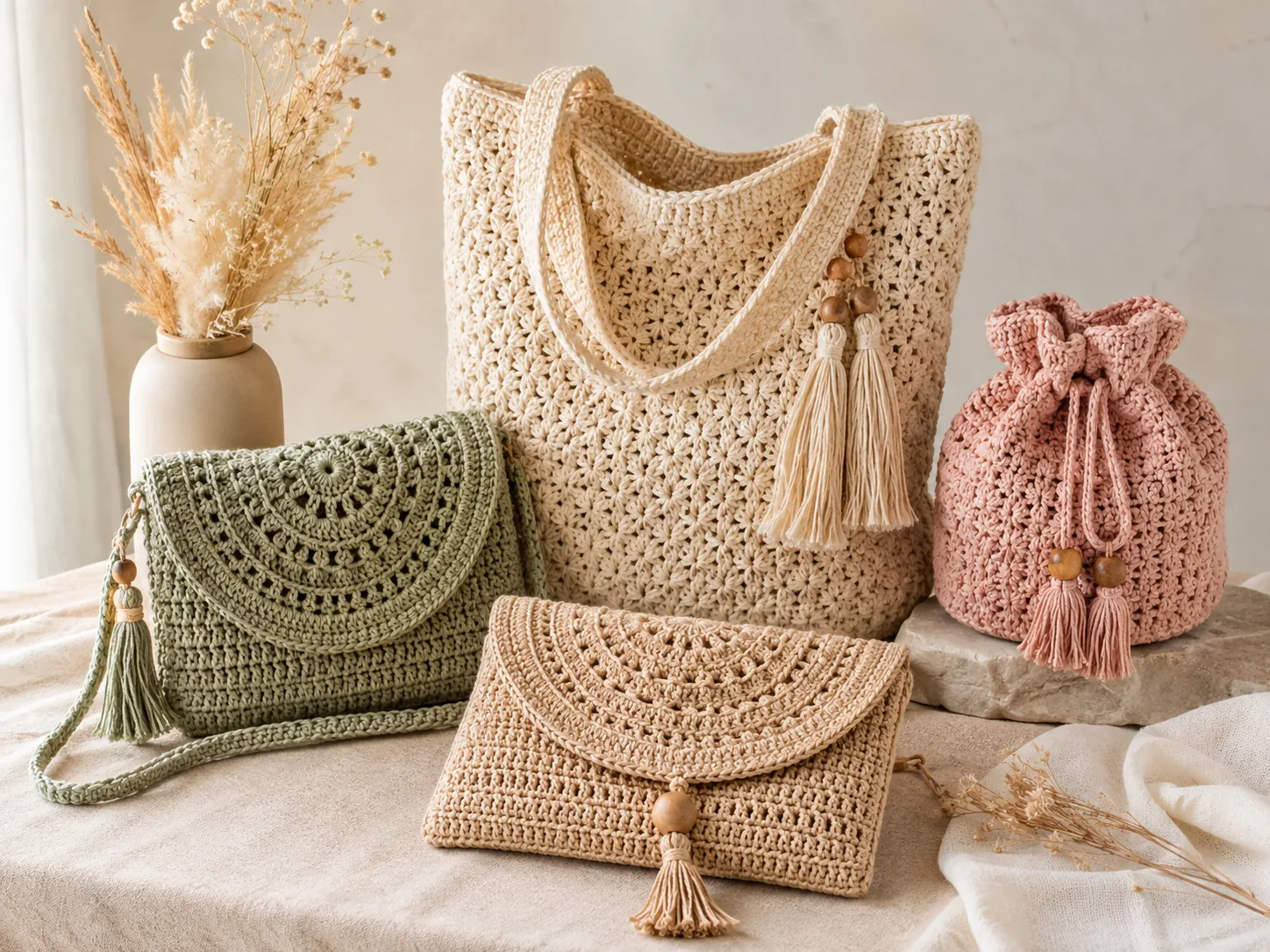
Choose the bag shape first, then match the yarn, stitch and finishing method to it.
You can browse the growing
Crochet Guides, Tutorials & Patterns hub
whenever you want to move between beginner skills and more project-focused guides.
Find a Bag You Want to Make
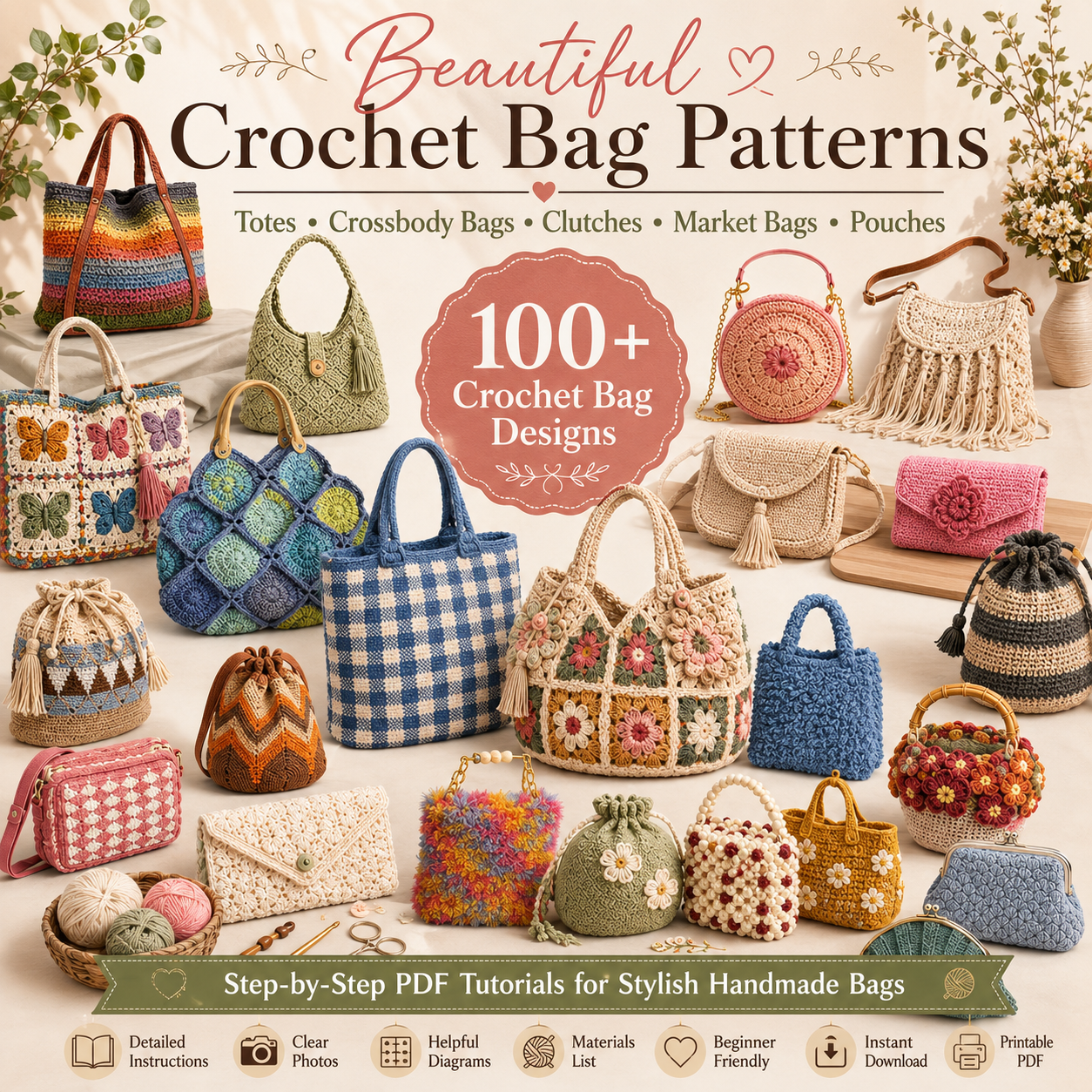
Explore 100+ crochet bag patterns for totes, purses, market bags, shoulder bags and more.
Best Yarn Choices for a Crochet Bag
Yarn affects far more than color. It changes stretch, weight, durability, stitch definition and how much
support a finished bag may need.
Cotton and cotton blends
Cotton is popular for bags because it shows stitch texture clearly and usually creates a more stable
fabric than very elastic yarns. It works especially well for totes, market bags and summer styles.
Nylon and strong synthetics
Some bag designs use nylon for extra durability and a firmer finish. This can be useful for structured
purses or straps that need to resist wear.
Wool and acrylic
These can create softer, cozier bags, but the amount of stretch depends on the yarn and stitch pattern.
A lining can help control movement.
Raffia, cord and specialty yarns
Firmer materials can give summer bags and structured totes a crisp shape, but they may feel stiffer in
the hands while crocheting.
strength from a light decorative pouch.
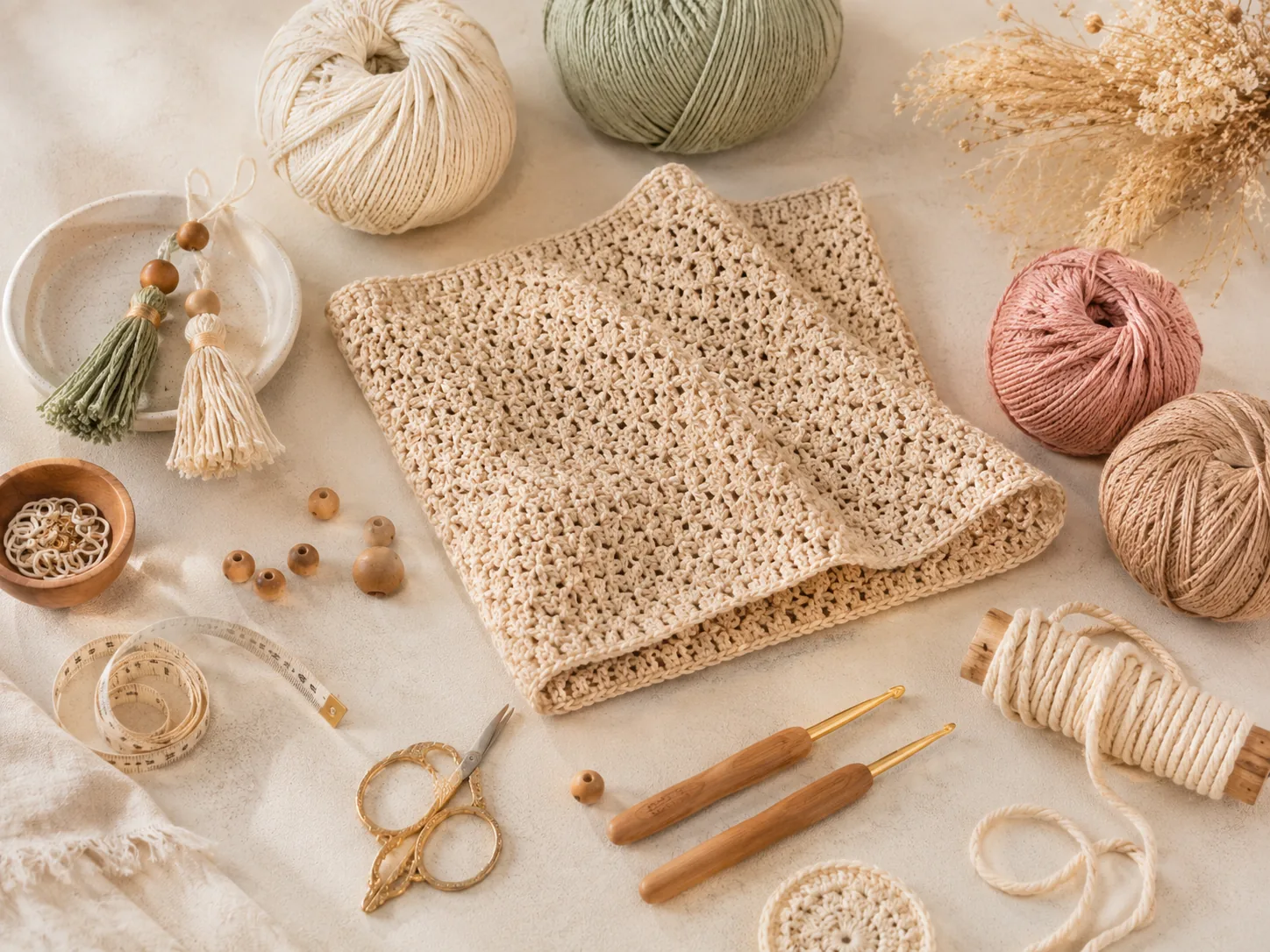
Bag yarn should be chosen for strength, stretch and structure as well as color.
If you are unsure how yarn weight and hook size work together, the yarn section in our
beginner crochet guide explains the basics before you start a larger bag project.
Crochet Stitches That Work Well for Bags
The stitch pattern controls how dense, flexible and stretchy the bag fabric becomes.
Single Crochet
A dense basic stitch that works well when you want a firmer fabric and fewer gaps.
Half Double Crochet
Slightly taller and softer than single crochet while still creating a relatively solid fabric.
Double Crochet
Faster to build and more flexible, but it naturally creates more openness and may stretch more in a bag.
Mesh & Lace
Useful for market and beach bags when airflow and lightness matter more than keeping tiny items contained.
Textured Stitches
Raised or patterned stitches add visual interest but can use more yarn and create extra weight.
Granny Squares
Joined motifs combine color and structure. Seams and joins should be strong because they become part
of the bag’s load-bearing fabric.
Crochet a small swatch and pull it gently in several directions. A stitch that looks perfect lying flat may
behave very differently once the bag is carrying weight.
How Crochet Bags Are Commonly Constructed
There is no single construction method. Some bags are worked in one piece, while others use separate
panels, motifs or a shaped base that are joined later.
Flat Panels
Front and back panels can be crocheted separately and joined at the sides and base. This method makes
it easy to control the bag dimensions.
Base + Sides
A rectangular, oval or round base can be built first, then the body is worked upward from its edge.
Continuous Rounds
Working in rounds reduces seaming and is common for totes, bucket bags and market bags.
Joined Motifs
Granny squares or other motifs can be assembled into the final shape. Planning the layout first helps
avoid awkward seams or mismatched edges.
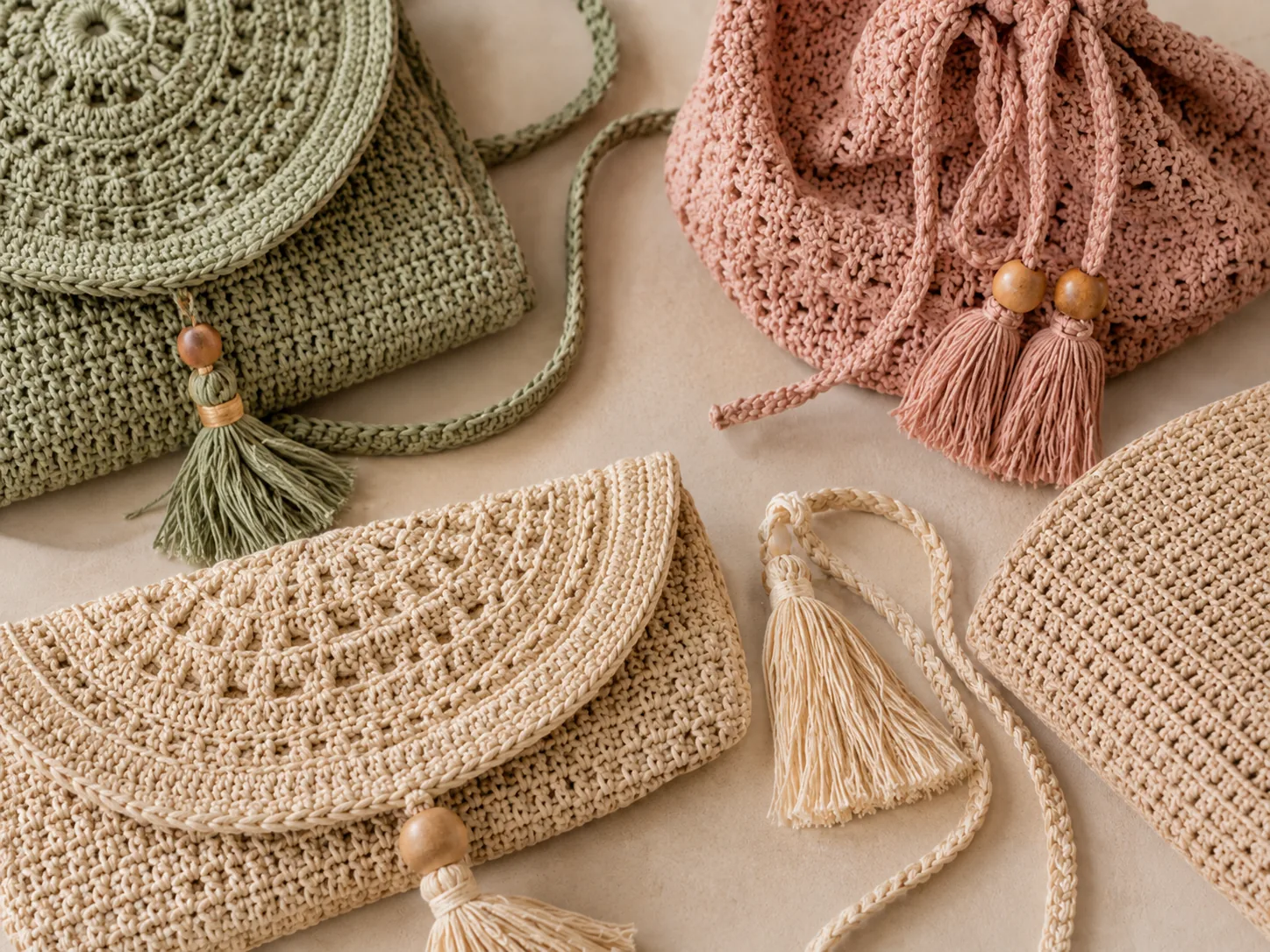
Construction method affects the bag shape, seams, stability and finishing work.
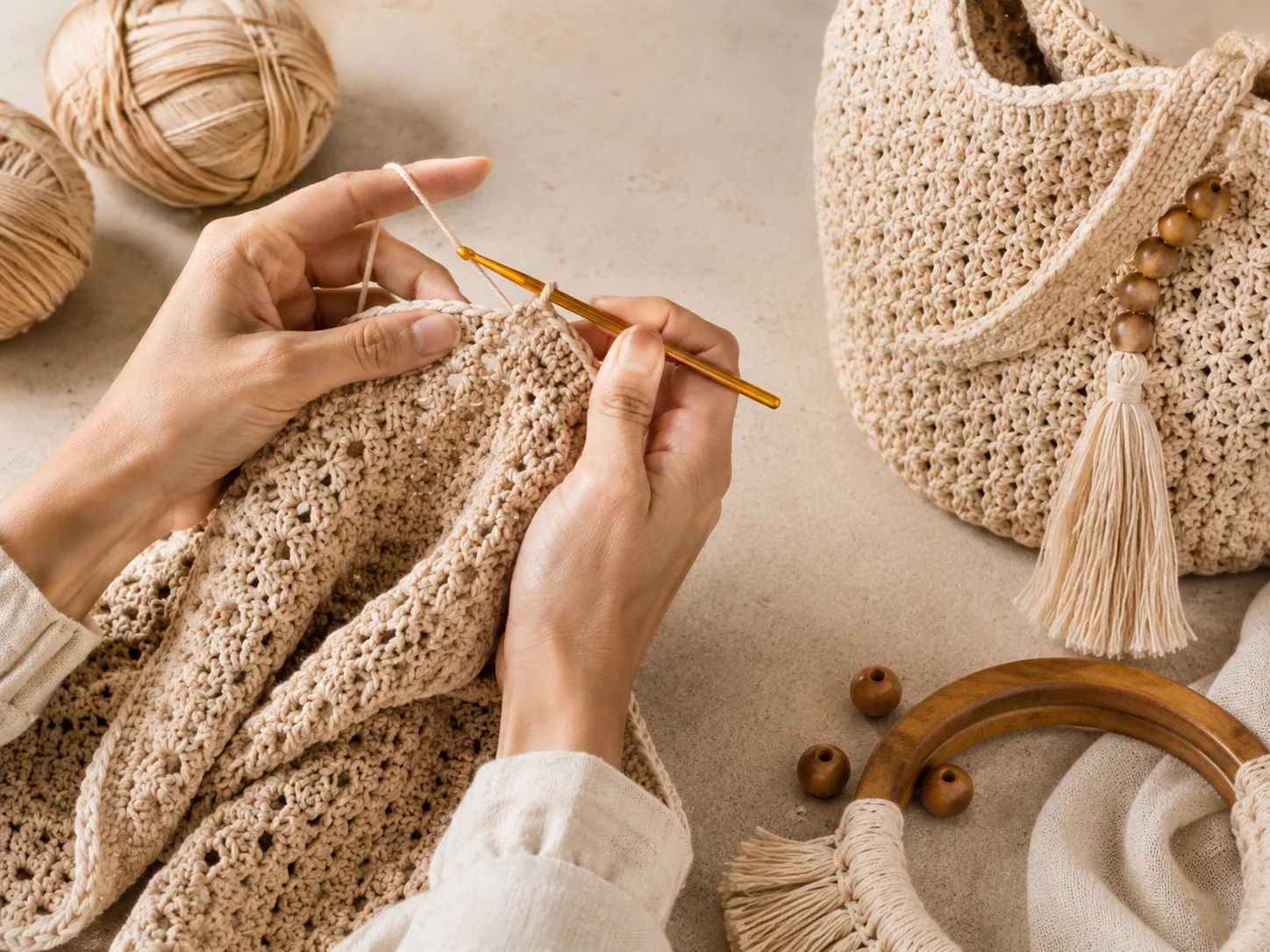
Working slowly through the body, joins and handle areas helps keep the finished bag even and strong.
Ready to Start Your Next Bag?
Choose from 100+ bag designs and find a style that fits your next project.
How to Keep Crochet Bag Handles from Stretching
Handles often receive more stress than any other part of the bag, so this is where reinforcement matters most.
Crocheted handles
Keep them relatively dense and avoid very stretchy stitch patterns. Shorter handles usually show less
elongation than long shoulder straps.
Purchased handles
Wooden, bamboo, metal, leather-look and other ready-made handles can give the bag more structure and
change the overall style.
across several stitches instead of attaching it to a tiny area.
Should You Line a Crochet Bag?
Not every crochet bag needs a lining, but lining can make a soft handmade bag feel dramatically more stable
and practical.
What lining can do
It helps keep small items from poking through open stitches, reduces stretching, hides the inside seams
and gives pockets or closures a stable surface.
Extra support
Structured bags may also use a firmer insert in the bottom. Some published bag projects suggest materials
such as felt, canvas or plastic canvas to increase stability.
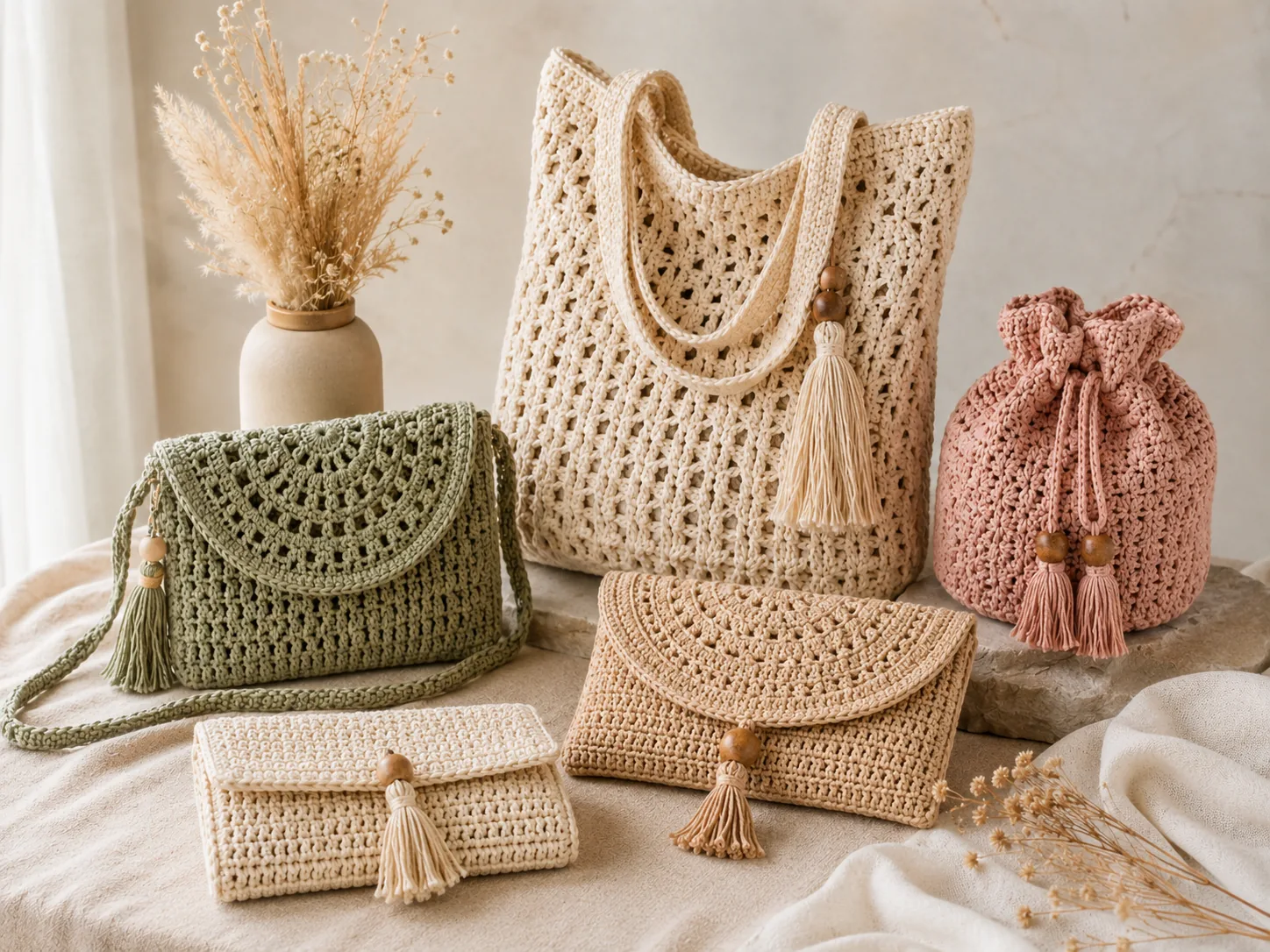
Lining, reinforced bases and secure handles can turn a soft crochet piece into a practical everyday bag.
Closures and Finishing Details for Crochet Bags
Drawstrings
Simple and flexible for pouches, bucket bags and casual styles.
Buttons
Useful for flaps and smaller bags when you want a lightweight closure.
Zippers
Provide a secure opening and usually work best when attached to a stable lining or reinforced edge.
Magnetic Snaps
Give totes and purses a neat closure without changing the exterior appearance too much.
Tassels & Charms
Decorative additions can change a simple base design without changing the bag construction.
Edging
A firm border around the opening can make the top edge look cleaner and resist stretching.
Explore the Full 100+ Bag Collection
Totes, purses, market bags, clutches and more — all together in one digital collection.
Common Crochet Bag Problems and How to Prevent Them
The bag stretches too much
Use a denser stitch, firmer yarn, tighter gauge, lining or internal support depending on the design.
The handles keep getting longer
Use less-stretchy construction, reinforce the strap or switch to purchased handles for more stability.
The base sags
A denser base, lining or removable structural insert can help distribute the weight more evenly.
The opening curls or collapses
Add a firmer final round, edging, lining support or hardware depending on the style.
Common Questions About Crochet Bags
What yarn is best for a crochet bag?
It depends on the style, but stable yarns such as cotton, cotton blends, nylon, cord or raffia are
popular when the bag needs durability and structure.
What is the easiest crochet bag for a beginner?
A simple rectangular tote or small pouch using a basic dense stitch is easier than a highly shaped bag
with complex hardware. If basic stitches still feel unfamiliar, review the
Crochet for Beginners guide before starting.
Do crochet bags need lining?
No, but lining can reduce stretch, stop small items from slipping through the stitches and give the bag
a cleaner interior finish.
Can you make a crochet bag with granny squares?
Yes. Joined granny squares can form totes, shoulder bags and purses. Strong joins and a planned layout
are important because the seams become part of the structure.
How do you make a crochet bag more sturdy?
Use a firmer yarn, dense stitch pattern, strong seams, reinforced handles and—when appropriate—a lining
or base insert.
Want More Than Bags?
Explore the full crochet collection with bags, blankets, granny squares, tops, baby projects and more.